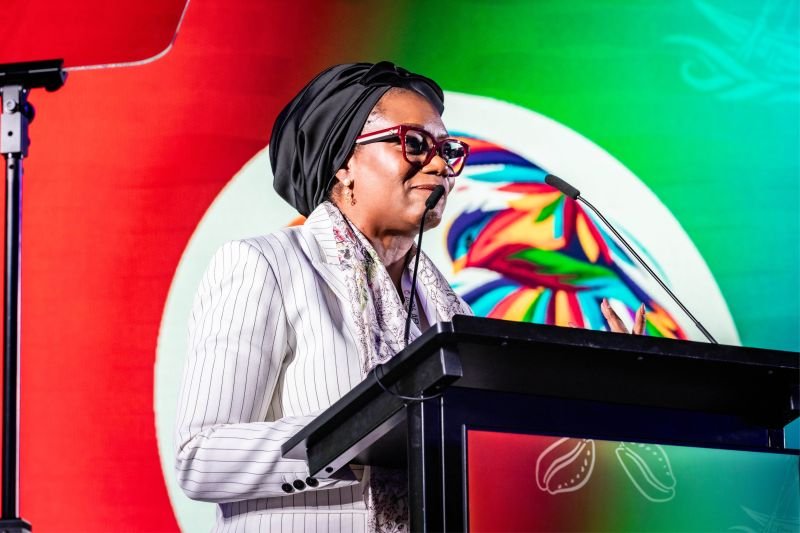
A financial system can appear stable overall and still fail people when they need it most, Aishah Ahmad, Global Finance & Governance Leader, told a high-level panel this week at the Alliance for Financial Inclusion (AFI) Global Policy Forum.
Moderating the session titled “Delivering Resilient Economies and an Inclusive Future: What Must We Do Next?”, Ahmad argued that true resilience goes beyond institutions withstanding shocks. It must ensure that low-income households, businesses and vulnerable populations can continue to participate in economic life when disruptions occur.
The discussion drew on experiences spanning financial crises, climate vulnerability, digital transformation, cross-border connectivity, and the everyday realities facing businesses and communities. Several practical takeaways emerged from the conversation.

Ahmad stressed that while financial inclusion must ultimately deliver better financial lives rather than simply more accounts, access remains foundational. During climate crises and other shocks, those who remain excluded are often among the worst affected.
ALSO READ: ANDRÉ VAN DER MERWE ELEVATED TO SENIOR MANAGER AT DELOITTE
She also highlighted the need for digital infrastructure, innovation and governance to advance together. As digital platforms and artificial intelligence expand, regulatory coordination, consumer protection and accountability must keep pace.
Customers increasingly experience one financial system even when responsibility is shared across multiple institutions.
Inclusion, she noted, cannot be separated from the broader macroeconomic environment.
A spontaneous debate on SME finance underscored the importance of incentives. Banks are commercial institutions that cannot simply be compelled to lend. Where lower-risk government instruments offer attractive returns, lending to smaller businesses may become less compelling. The challenge is to create conditions in which productive lending makes economic sense.
Resilience, Ahmad said, needs to become more anticipatory.
“Countries will answer these questions differently, but the objective is shared: ultimately financial systems must improve people’s lives,” she said.